Interior Lead Paint Abatement in Irving

Typical cost in Irving

  • Small area, about 100 sq ft (stair rail, trim in one room)$750 – $1,700+
  • One room$1,400 – $4,000+
  • One room's walls covered with new drywall, about 350 sq ft$2,500 – $5,600+
  • Whole interior, typical house$6,500 – $15,000+
  • Large or very old house, whole interior$14,000 – $42,000+

Irving Lead Paint Removal carries out interior lead paint abatement in Irving homes and rental units built before 1978, removing or permanently enclosing lead-based paint on walls, trim, doors and stairs. Abatement is not the same as a lead-safe remodel. EPA describes abatement as an activity designed to address lead in the home, while renovation work is not. That difference brings a DSHS-certified abatement firm, notice to the state before work begins, and an empty work area.

Inside a lived-in house, it also means planning where everyone will stay. We schedule interior abatement in Irving, Farmers Branch and Euless.

Get a free quote
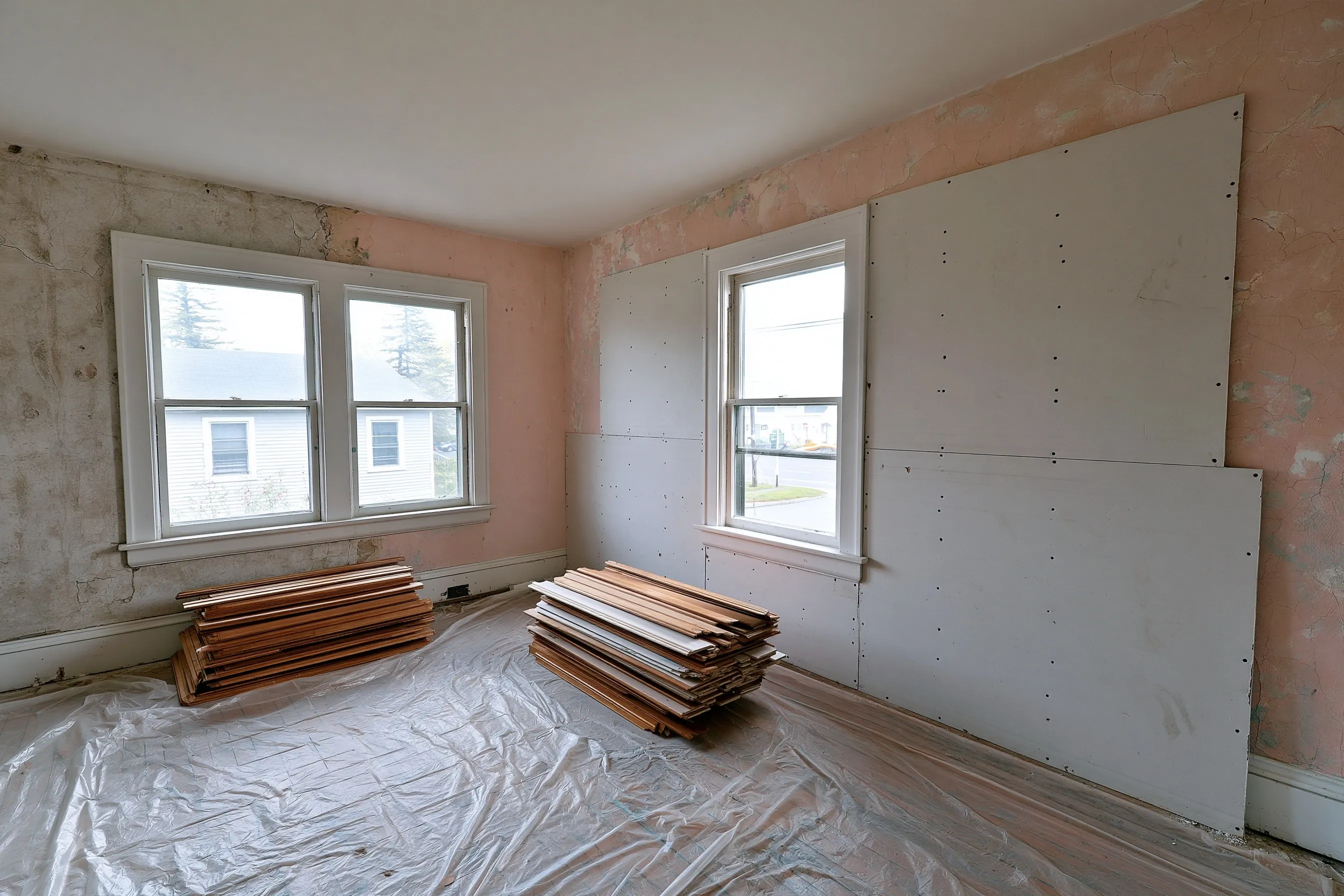
Bedroom with new drywall screwed over cracked painted plaster on one wall, bare plaster on the other and removed trim stacked on plastic

Abatement methods indoors

Removing paint from trim and stairs

Baseboards, casings, railings and balusters can be stripped in place with wet scraping and chemical strippers, or taken out, stripped off site and reinstalled. The federal abatement standard bans open-flame burning, allows machine sanding or grinding only with HEPA-filtered exhaust, limits dry scraping to small areas, and keeps heat guns below 1,100 degrees Fahrenheit. Stripping in place is slow on detailed profiles, which is why off-site stripping or replacement can win on stair parts.

Replacing painted components

Sometimes the simplest abatement is to take the painted piece out of the house. Interior doors, door casings, window stools, baseboard runs and stair treads can be removed whole, wrapped and hauled away, and replaced with new material. Replacement suits parts that are damaged or rub constantly. On a period house where the original trim matters, stripping keeps the profile; in a rental unit, new stock may be quicker to fit.

Enclosing walls

Walls and ceilings with lead-based paint can be enclosed: new drywall or another rigid panel is screwed or nailed through the old surface into the framing, with seams and edges sealed so no painted surface is left exposed. The lead stays behind the panel, so the enclosure needs to be recorded and kept in good repair, and anyone who later cuts into that wall is disturbing lead-based paint. Fastening the panels can disturb paint at outlets and trim, so that work is contained as well.

Moving out during the work

Abatement firms must ensure that occupants are out of the home or child-care space during the work, so a family or tenant needs somewhere to stay. Furniture is moved out or wrapped, the heating and cooling system is shut off or its vents in the work area are sealed, and nobody goes back in until clearance testing passes.

Notice and paperwork in Texas

Texas rules give DSHS a week and more of warning: the certified firm’s written notice has to be delivered or postmarked seven working days or more ahead of any abatement in pre-1978 housing or a child-occupied facility. In an emergency, notice goes as soon as practicable and no later than the following work day. At the end, a certified inspector or risk assessor performs clearance: a visual check for dust and debris, then dust samples at least an hour after final cleanup, with any failed area cleaned and tested again.

Keep the notice, the clearance results and the firm’s abatement report together. A landlord or seller must disclose lead reports they hold, and those documents also show the next contractor where lead was removed and where it was enclosed.

Older homes in east Irving

Irving grew from 2,621 residents in 1950 to 97,260 in 1970, and Wikipedia notes that eastern Irving has older neighborhoods than other parts of the city, around the original townsite that the city calls the Heritage District. About 34,300 of the city’s homes date from the 1950s through the 1970s (ACS 2020–2024). Interiors of that age may hold several coats of paint over original trim and doors, and later remodels may have covered some surfaces and left others. Testing, not age alone, decides what needs abatement.

Before deciding what to abate, a lead risk assessment shows which surfaces are hazards today. After the work, lead dust cleaning and clearance testing covers the final cleaning and lab check. Other services are listed on the Irving Lead Paint Removal home page.

Request a free lead paint removal quote

List the rooms and surfaces involved (walls, trim, doors, stairs), the year the house was built and whether it is occupied, and share any risk assessment or inspection results you have, along with the address. We'll get back to you soon with an estimate or any questions we have. Estimates are free and there's no obligation.

Call (972) 793-8562

Call (972) 793-8562