Lead Paint Removal in Irving

Irving Lead Paint Removal handles lead paint removal for Irving landlords, property managers and owners of houses and small rental buildings put up before 1978. In a unit where people are living, the work begins with a risk assessment that shows where lead is a hazard today: worn paint on doors and sills, dust on floors, bare soil by the walls. Then we plan the fix, from targeted repairs during a turnover to full abatement of a room.

Irving is a renter’s city, with about 62 of every 100 occupied homes rented, and roughly 36% of its housing went up before 1980 (ACS 2020–2024). Two agencies share lead oversight here. Texas’s health department (DSHS) licenses lead evaluators and abatement contractors, while EPA runs the Renovation, Repair and Painting (RRP) rule here, which reaches rental owners and managers who pay for repairs that disturb old paint.

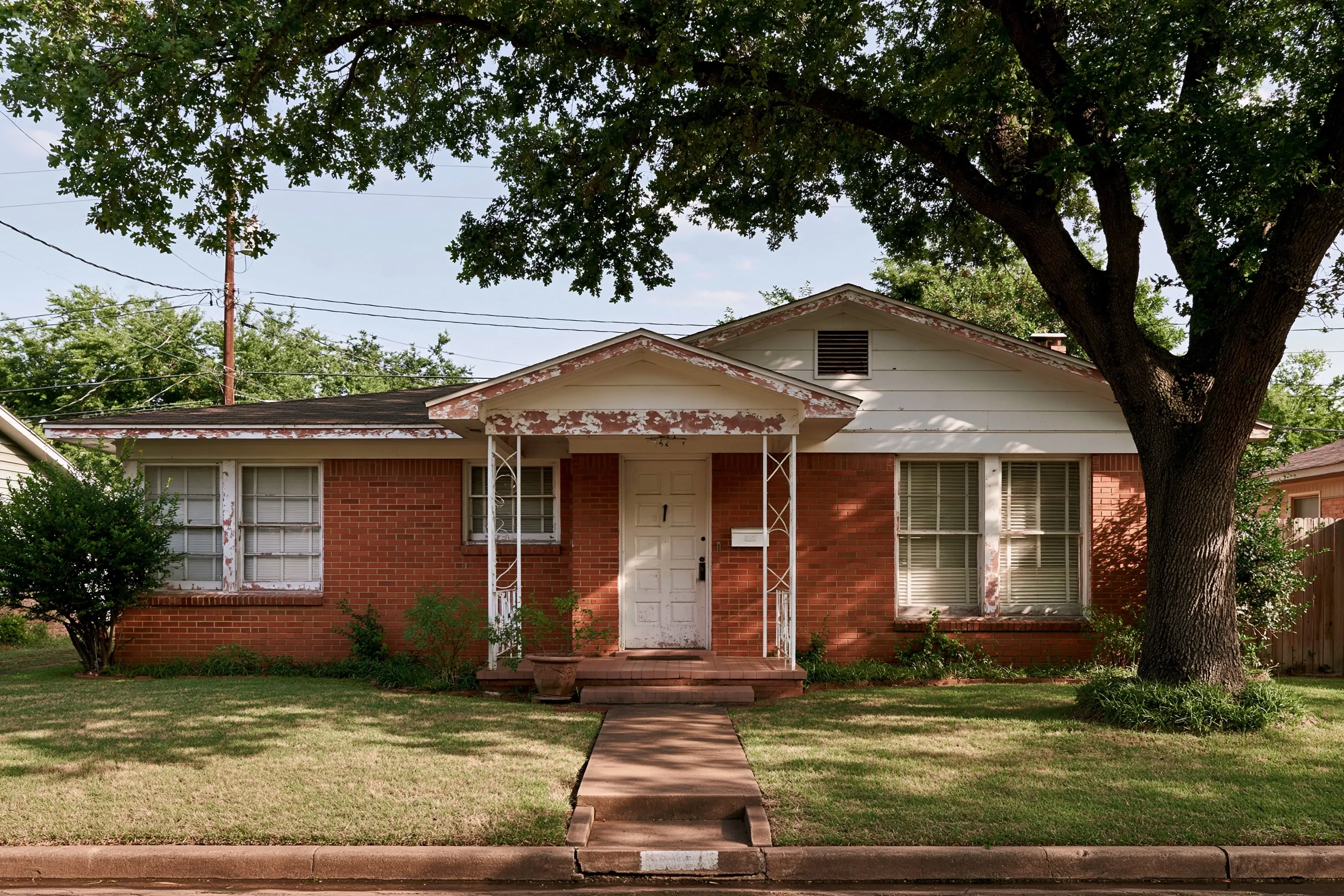
Single-story 1950s North Texas brick ranch house with peeling painted wood trim, fascia and window frames
Rental property lead hazard controlLead risk assessmentInterior lead paint abatementLead dust cleaning and clearance testingLead-painted doors and door frames

Lead paint services

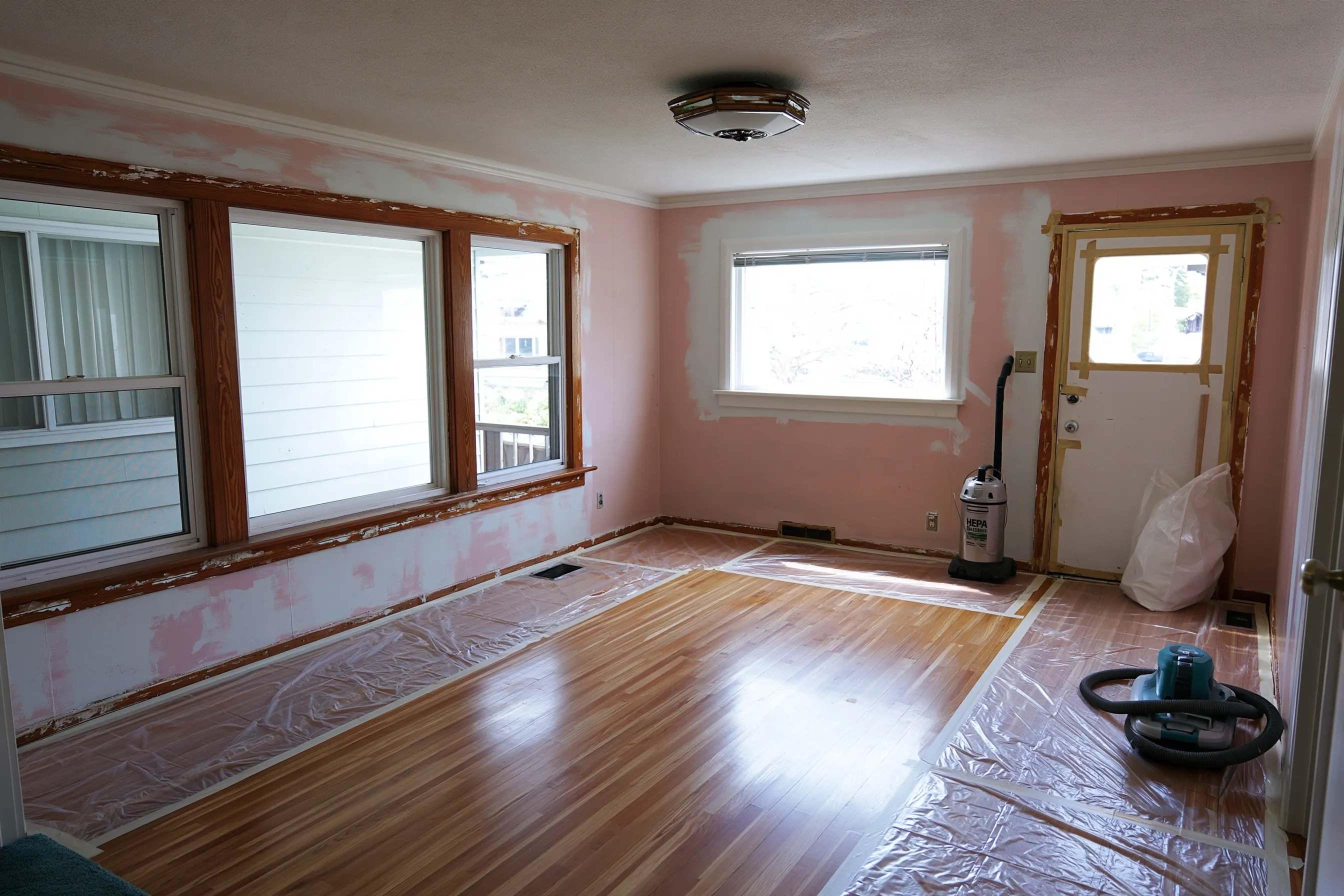
Empty living room with patched pink walls, worn wood window and door casings, plastic runs on the floor, two vacuums and a bagged waste sackFloor plan, folder, sealed sample containers and a tape measure on a desk beside a painted window

Rental property lead hazard control

Owning a pre-1978 rental brings three separate lead duties: disclosure when a lease is signed, lead-safe practices whenever paid work disturbs paint, and control of hazards that tenants live with. We help owners and managers of Irving houses, duplexes and fourplexes sort out which applies, then handle the repairs, cleaning and testing that keep a unit ready for the next lease.

Lead risk assessment

A risk assessment answers a practical question for an occupied home: is there a lead hazard here now, and what should be done about it? A DSHS-certified risk assessor checks the condition of painted surfaces, tests deteriorated paint, wipes floors and sills for dust and samples bare soil, then writes up the hazards found with options to control or abate them.

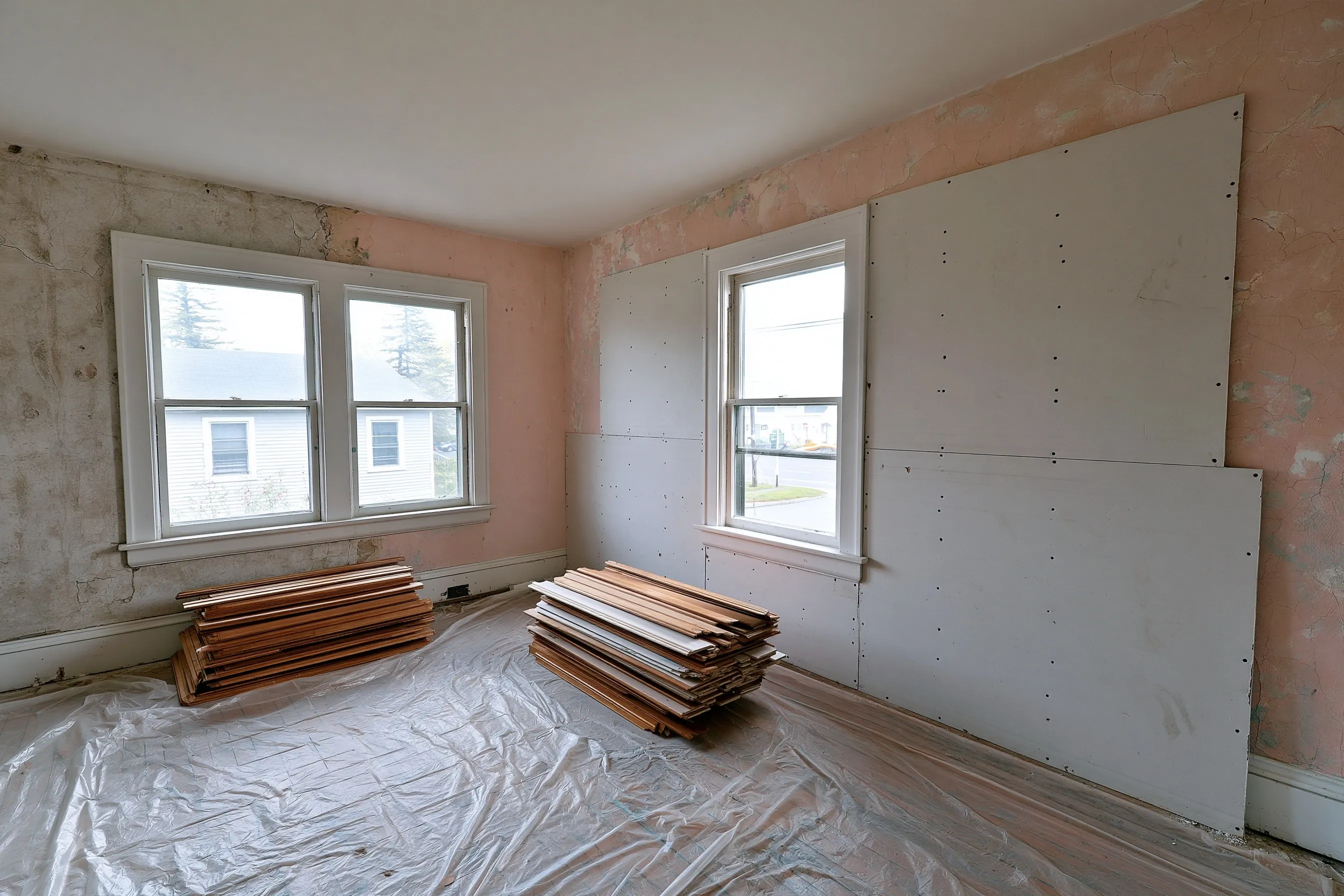
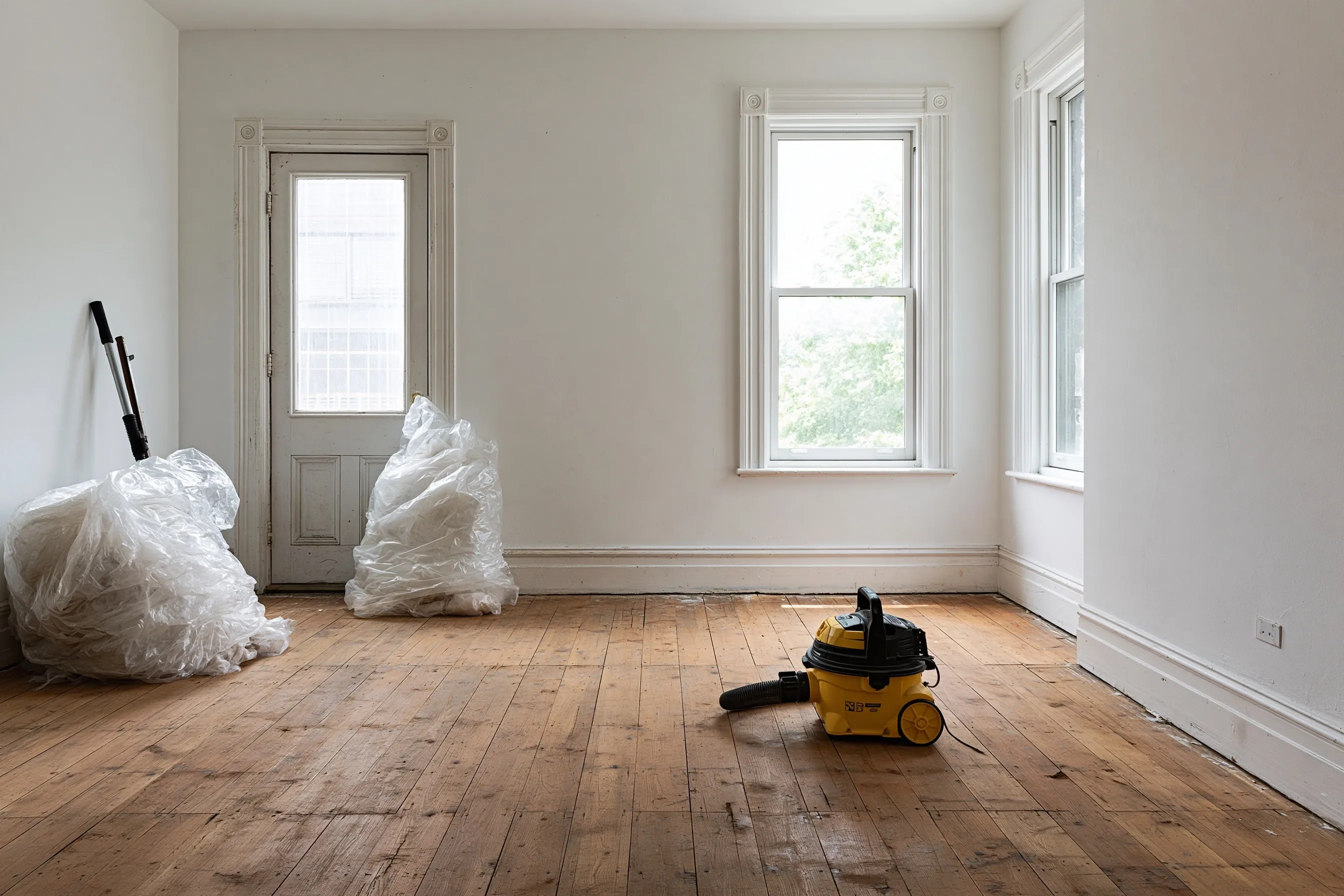
Bedroom with new drywall screwed over cracked painted plaster on one wall, bare plaster on the other and removed trim stacked on plasticClean empty room after renovation with a bare wood floor, bagged plastic sheeting and a shop vacuum

Interior lead paint abatement

Abatement is the permanent route indoors. Lead-painted trim, stair parts and doors are stripped or replaced, and walls can be enclosed behind new drywall. A DSHS-certified abatement firm does the work after filing advance notice with the state, and nobody lives in the home again until a clearance test passes.

Lead dust cleaning and clearance testing

Lead dust settles on floors, sills and window troughs after paint is sanded, scraped or simply worn down. Specialist cleaning with HEPA vacuums and wet wiping removes it, and clearance testing by a certified inspector or risk assessor confirms the result with laboratory analysis of dust wipes before a family moves back in or a new tenant takes the keys.

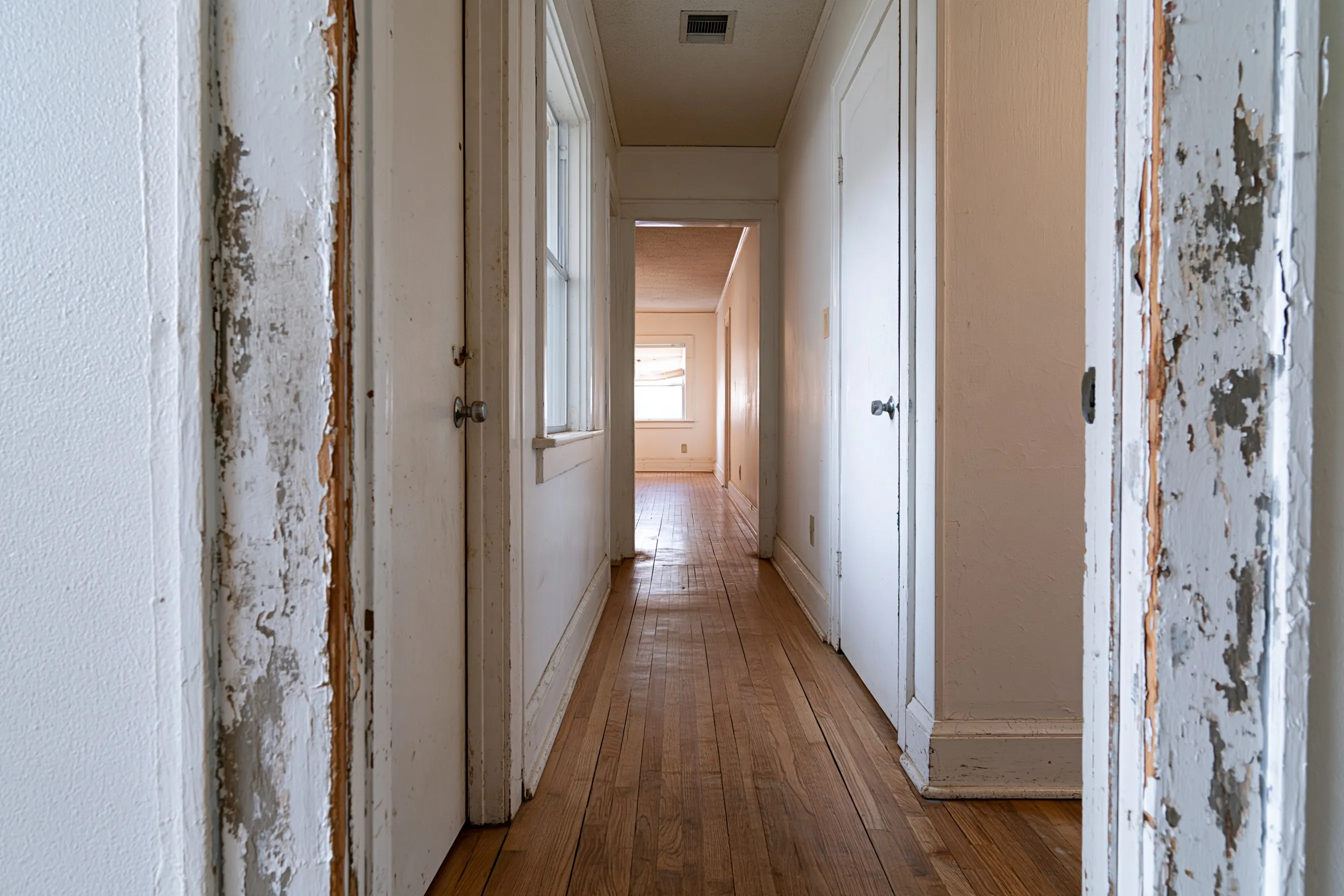
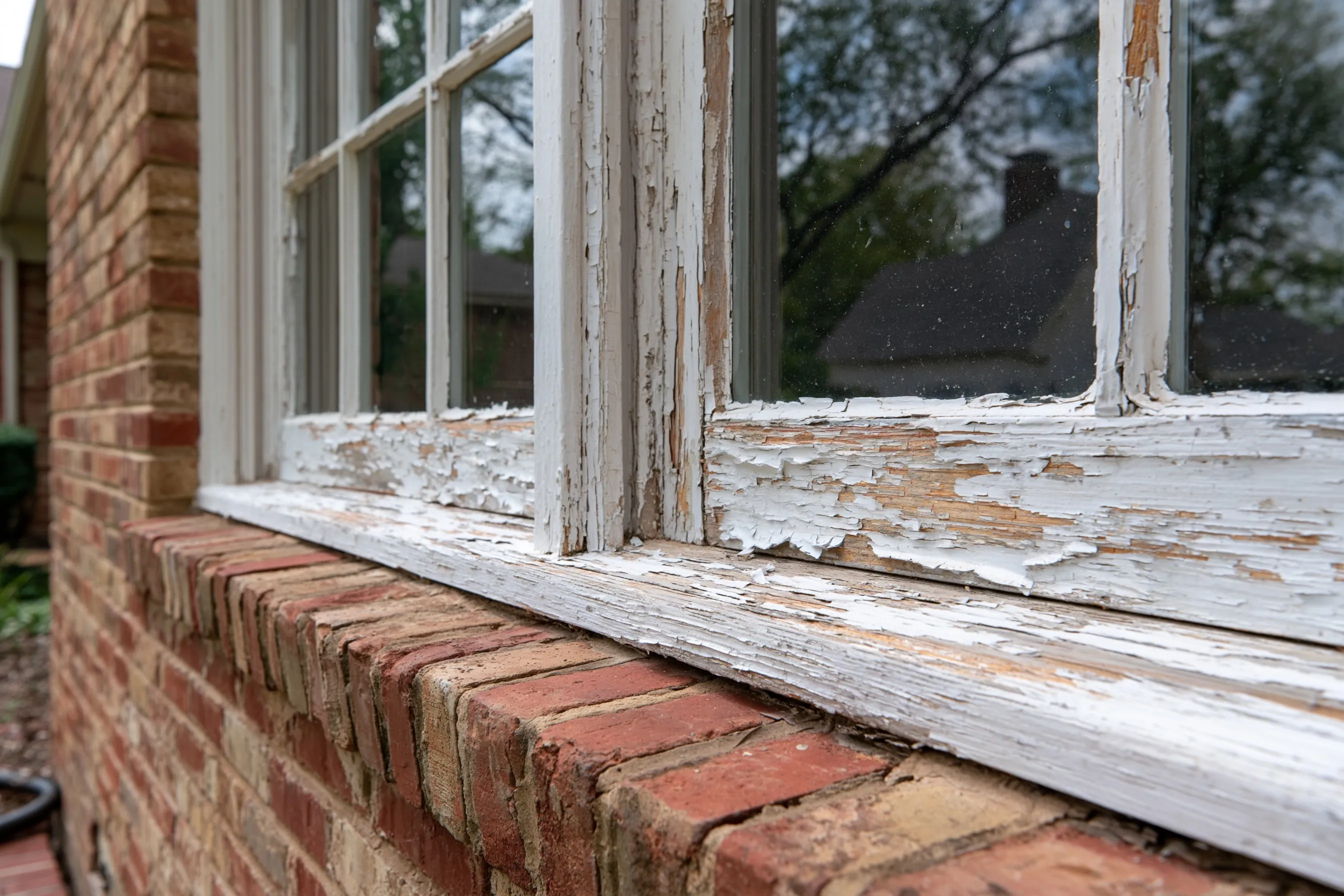
Painted wood door frame, baseboard and window trim with worn paint inside a 1960s-70s North Texas house

Lead-painted doors and door frames

A door that rubs its jamb grinds old paint into dust every time it opens. Lead rules treat door surfaces as friction and impact surfaces, and the edges, stops and hinge side take the wear. Options run from rehanging a door so it clears the frame, to stripping it off site, to replacing the door and jamb.

Lead paint costs

Each line is hired labor plus materials and lab fees for a typical job in Irving, Farmers Branch or Euless, one line per job size. A small, easy job sits near the low end. The open top end is for more painted parts, an occupied unit that needs extra protection, rotten wood found under the paint or a failed dust test that means cleaning again.

Rental property lead hazard control

  • Lead inspection, duplex or fourplex$650 – $1,500+
  • One unit: peeling paint fixed (about 100 sq ft), cleaned and tested$1,400 – $3,500+
  • One unit: paint fixed and about 8 old windows replaced, with clearance$4,200 – $12,500+
What is included

A lead inspection of a small rental building, or the peeling paint in one unit fixed with lead-safe methods, cleaned and dust tested. The larger line adds about eight old windows replaced. Abatement of a whole unit is priced under interior abatement.

Get a free quoteSee an example projectAbout this service

Lead risk assessment and inspection

  • A few rooms you plan to remodel$225 – $500+
  • Whole house up to 2,500 sq ft$300 – $700+
  • Large house over 2,500 sq ft$450 – $900+
  • Risk assessment with dust and soil samples, one house$500 – $1,500+
What is included

Readings or paint chips from the painted parts of the home and a written report. A risk assessment adds dust wipes from floors and sills and bare soil samples, then sets out each hazard and how to fix it. Rush reports and extra lab samples cost more.

Get a free quoteSee an example projectAbout this service

Interior lead paint abatement

  • Small area, about 100 sq ft (stair rail, trim in one room)$750 – $1,700+
  • One room$1,400 – $4,000+
  • One room's walls covered with new drywall, about 350 sq ft$2,500 – $5,600+
  • Whole interior, typical house$6,500 – $15,000+
  • Large or very old house, whole interior$14,000 – $42,000+
What is included

The work area sealed off, lead paint stripped, painted parts taken out or walls covered with new drywall, HEPA cleanup each day, disposal and a clearance test. The state is told before work starts and nobody lives in the rooms until the test passes. New trim, repainting and a place to stay are usually extra.

Get a free quoteSee an example projectAbout this service

Lead dust cleaning and clearance testing

  • Dust test in one or two rooms$225 – $600+
  • One room cleaned, then tested$550 – $1,400+
  • Whole house cleaned after work, then tested$1,600 – $4,200+
  • Clearance test after lead work$175 – $500+
What is included

HEPA vacuuming and wet wiping of floors, sills and window troughs, then dust wipes sent to a lab. A test on its own is the first line. If a room fails, it is cleaned and tested again.

Get a free quoteSee an example projectAbout this service

Lead-painted doors and door frames

  • One door and frame, stripped or replaced$500 – $1,500+
  • About 4 doors and frames$2,000 – $6,000+
  • About 8 doors and frames, a whole floor$4,000 – $12,000+
What is included

Doors planed and rehung, stripped in a shop or in place, or replaced with their frames, with the dust contained and a cleaning check at the end. New doors and hardware are priced on their own.

Get a free quoteSee an example projectAbout this service

Ranges are 2026 estimates, not quotes. Your written estimate is free and comes after we have seen the home.

Our process

01

Look up when the home was built

The year 1978 is the dividing line. Housing built before then falls under the federal disclosure and renovation rules unless testing shows it is free of lead-based paint; housing from 1978 onward does not. County appraisal records or closing papers can show the year, and the date of an addition does not change the original building’s.

02

Assess hazards in the occupied home

For a unit with people living in it, a risk assessment comes first. It finds deteriorated paint, lead dust and contaminated bare soil, and the written report ranks what to tackle. A full inspection, which tests every painted surface, is the alternative when you are planning a sale or a whole-house abatement.

03

Control or abate

Interim controls, such as repairing loose paint, rehanging doors and specialist cleaning, reduce hazards for now and need follow-up. Abatement removes or permanently encloses the lead-based paint. For abatement the household or tenant moves out for the duration, and a DSHS-certified firm notifies the state in advance.

04

Clean and clear before re-occupancy

The last step is cleaning, followed by a check. After abatement, a certified inspector or risk assessor looks for visible dust, then takes dust wipes for a lab at least an hour after final cleanup, and any area that fails is cleaned and tested again before the unit is handed back.

Irving homes built from 1950 to 1970

Irving was a town of 2,621 people in 1950. By 1960 the census counted 45,985, and by 1970 it counted 97,260, as subdivisions spread out from the original railroad townsite. The city describes its Heritage District as once the center of early growth, and Wikipedia notes that eastern Irving has older neighborhoods than other parts of the city.

The housing survey bears that out. Of about 102,500 homes in Irving, roughly 8,900 date from the 1950s, 12,700 from the 1960s and another 12,700 from the 1970s (ACS 2020–2024). The 1970s figure includes 1978 and 1979, years outside the federal lead rules, so the exact pre-1978 count is a little lower. Street location is no substitute for the build date: we check each property individually.

Lead rules for Irving landlords

Every lease on an older Irving unit carries federal paperwork. The tenant gets EPA’s lead pamphlet and a written account of whatever the owner knows about lead in the unit, including past reports, and the lease includes the Lead Warning Statement. Owners keep the signed copies for three years. Short leases and studio units are among the exceptions.

Repairs are a separate matter. EPA names rental property owners and managers among the people who need RRP certification when they are paid to disturb paint in pre-1978 housing, and the same applies to the handyman or painter they hire. Abatement, inspection and risk assessment are licensed by DSHS. For apartment properties, the city’s multifamily license and annual inspections sit alongside these rules without replacing them.

What affects a lead paint quote

The biggest factor is whether the job is abatement or lead-safe repair. Abatement adds certified abatement workers, a state notification, a vacant work area and a clearance exam at the end; lead-safe repair under RRP is lighter but still needs containment and a cleaning check. After that, the price moves with the number of rooms and components, whether each is stripped, replaced or enclosed, whether the unit is empty, and how many dust samples the lab runs.

Irving and nearby cities

Irving Lead Paint Removal works in Irving and in two neighboring cities with plenty of older housing: Farmers Branch, an inner-ring suburb to the northeast that grew fast in the 1950s, and Euless, west of Irving near DFW Airport, in Tarrant County. Owners elsewhere nearby, in places such as Grapevine or Bedford, can send their address and project to ask whether we can take it on.

Frequently asked questions

Does a landlord have to disclose lead paint in Texas?

Yes. The duty comes from federal law, so it reaches Irving landlords directly. It is triggered by the building’s age, not by any city license: for a unit finished before 1978, the landlord must pass along what they know about lead there, hand over any old test reports, give out EPA’s pamphlet and put the Lead Warning Statement in the lease, then keep the signed copies for three years.

Can a tenant ask for a lead inspection?

A tenant can ask, and EPA encourages renters to raise lead concerns with the landlord, but the federal disclosure rule does not require the landlord to arrange an inspection. A landlord who has a report must share it. In an Irving apartment complex, conditions inside a unit go to management first; if nothing changes, the city’s Code Enforcement Department takes complaints at (972) 721-4829.

Does house insurance cover lead paint removal?

We cannot say; coverage is set by each policy and insurer. Raise the question with your agent while the job is still being planned, and hold on to the risk assessment, abatement records and clearance results, since an insurer weighing a claim may want to see them.

What is the difference between an inspection and a risk assessment?

EPA puts it plainly: an inspection locates lead-based paint throughout a home, surface by surface, while a risk assessment identifies current lead hazards and ways to manage them. For a lived-in rental, the risk assessment answers the more pressing question. Both are done in Texas by DSHS-certified professionals.

Request a free lead paint removal quote

Tell us the address and the year the building went up, which rooms or surfaces concern you, and whether the home is owner-occupied, rented or empty. Mention any children under six who live there and any lead report you already have. We'll get back to you soon with an estimate or any questions we have. Estimates are free and there's no obligation.

Call (972) 793-8562

Call (972) 793-8562